Both faces at once, parallel by design.
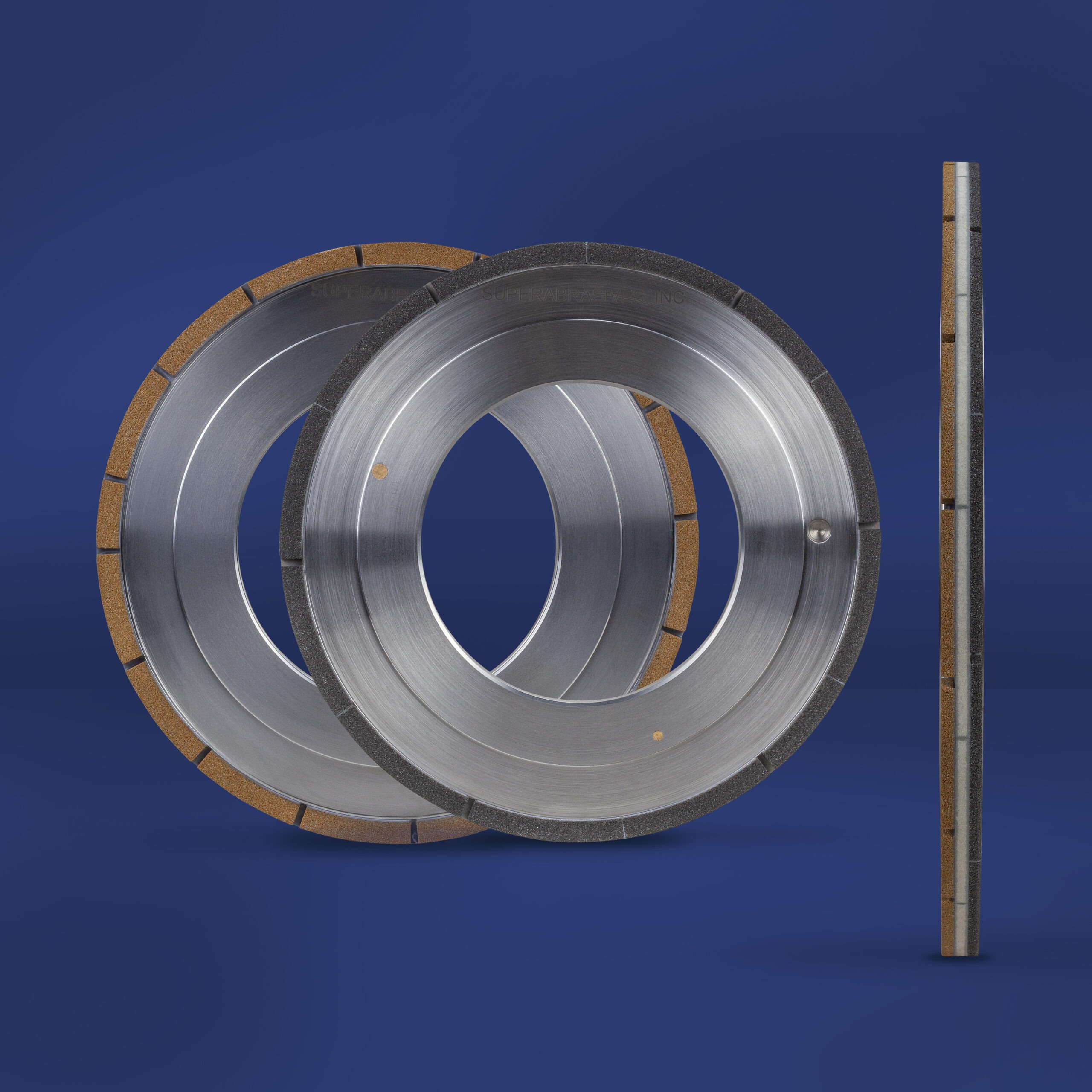
Double disc grinding places the part between two opposed wheel faces and grinds both sides at the same time. Because the two faces are produced in one operation against each other, parallelism and thickness come out of the process itself rather than from a second setup.
Parts are carried through the wheels by a carrier, rotary feed or reciprocating feed depending on the machine, and the process is normally run in high volume. It is one of the most productive grinding operations available when the part suits it.
The trade-off is that setup is unforgiving. Wheel wear, wheel parallelism and part feed all act directly on the dimension you are trying to hold, so a process that drifts shows up immediately as thickness variation.
At a glance
Matched pairs, matched performance.
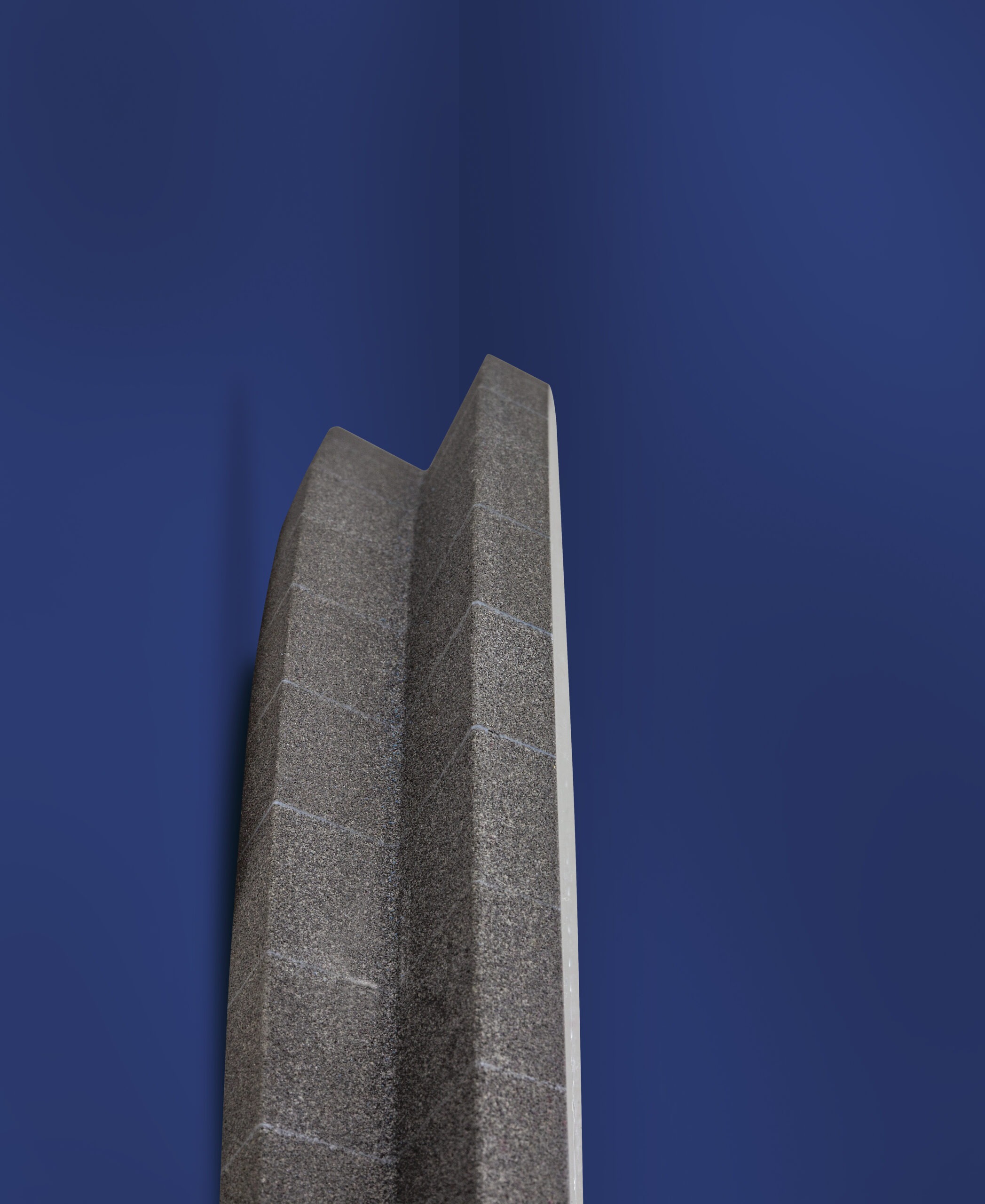
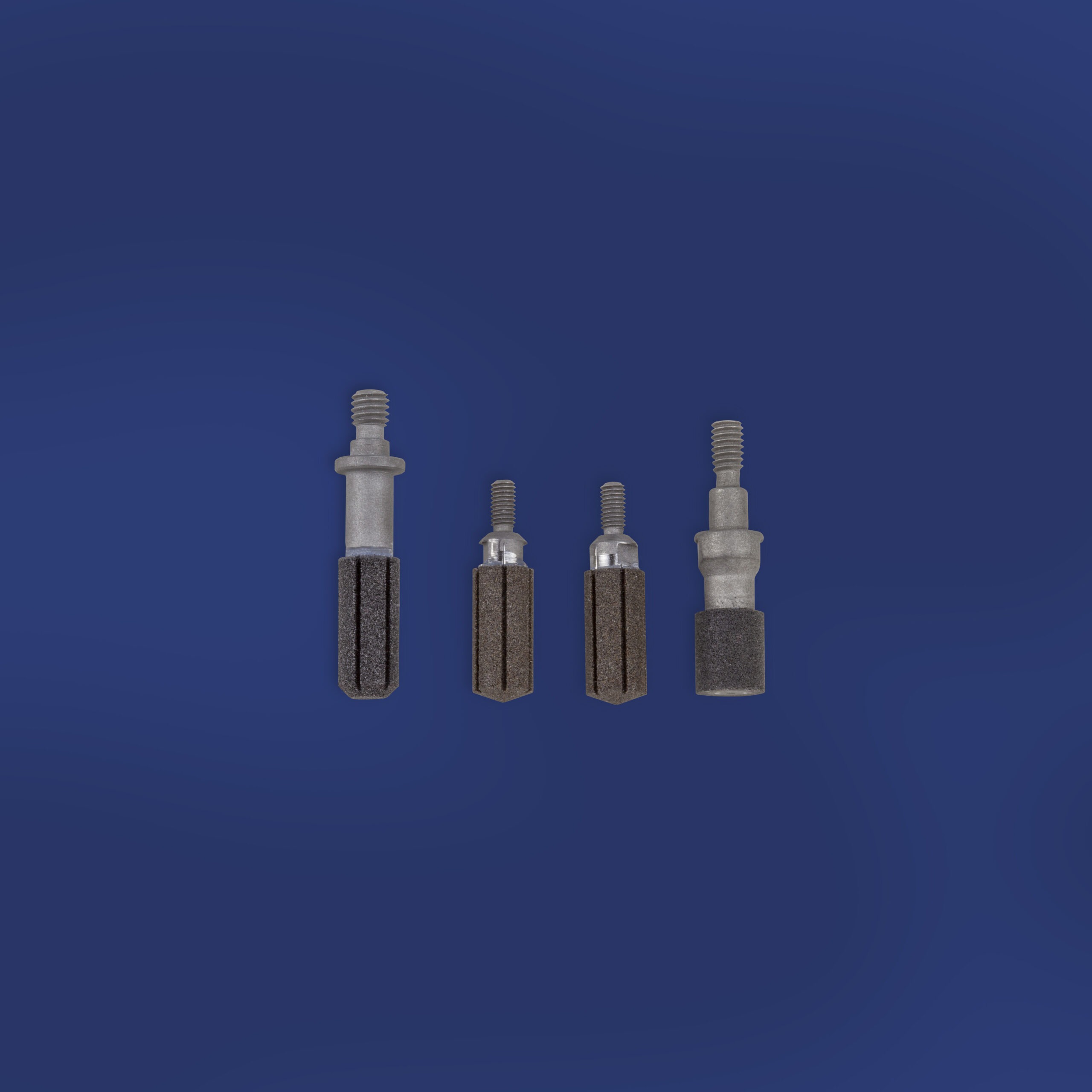
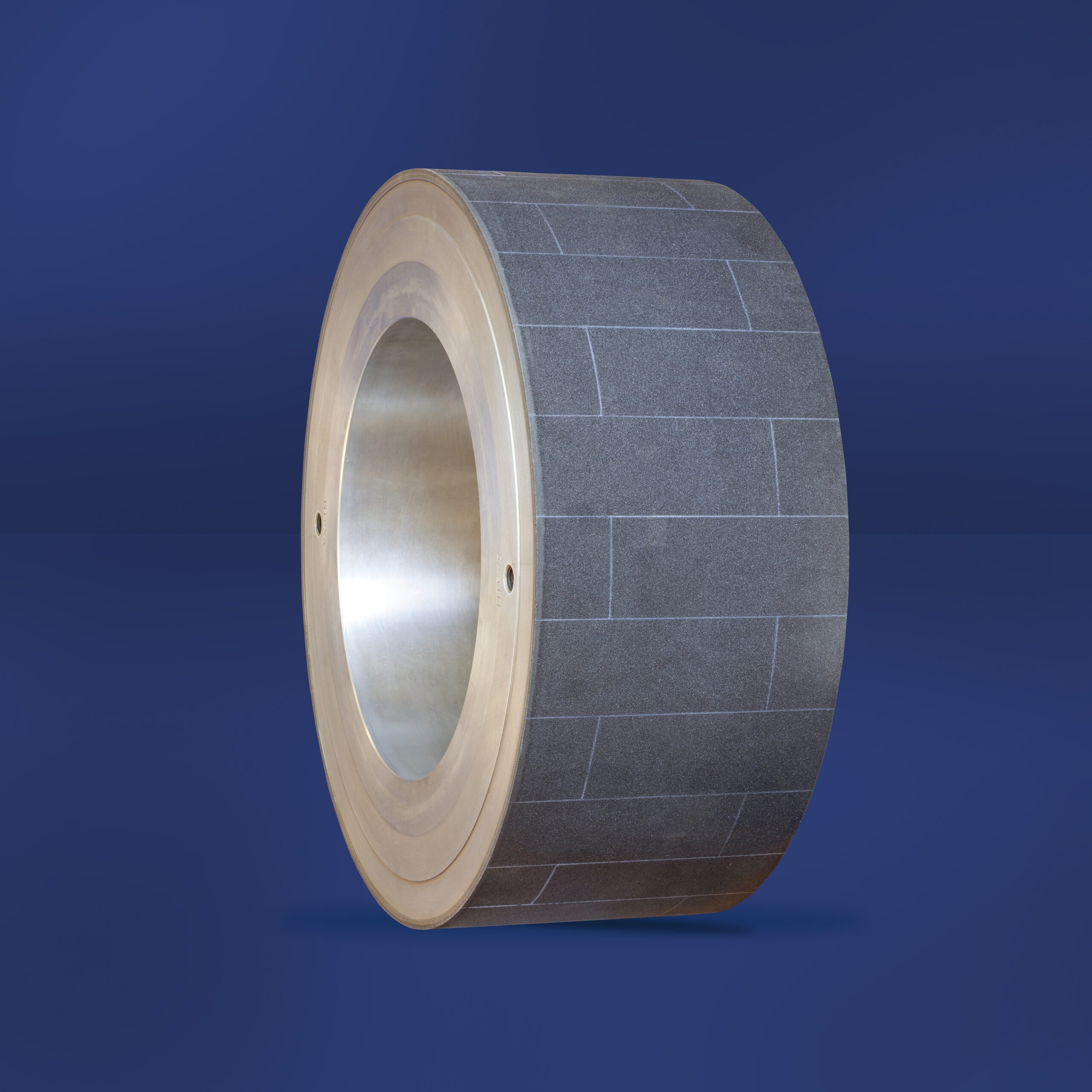
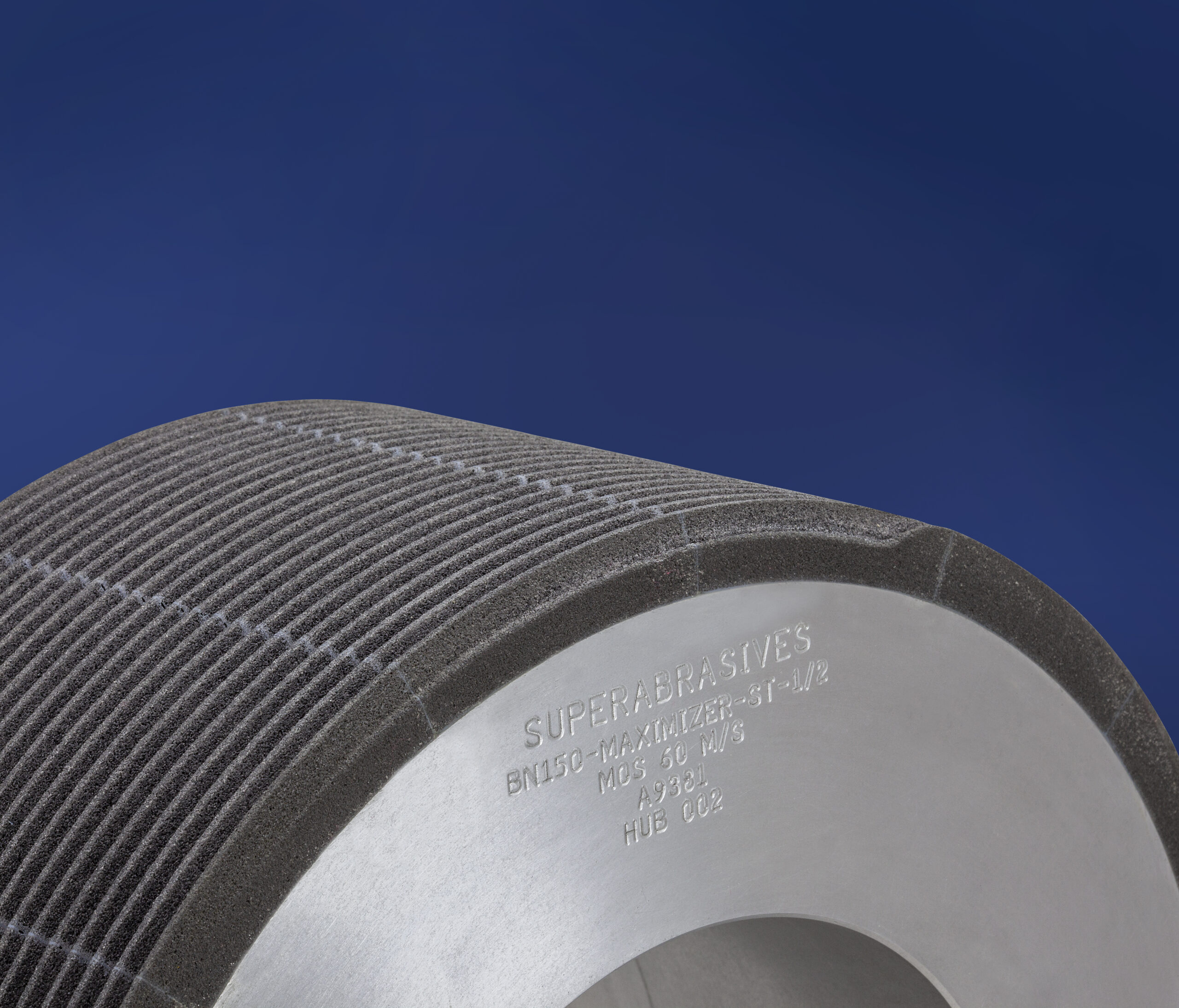
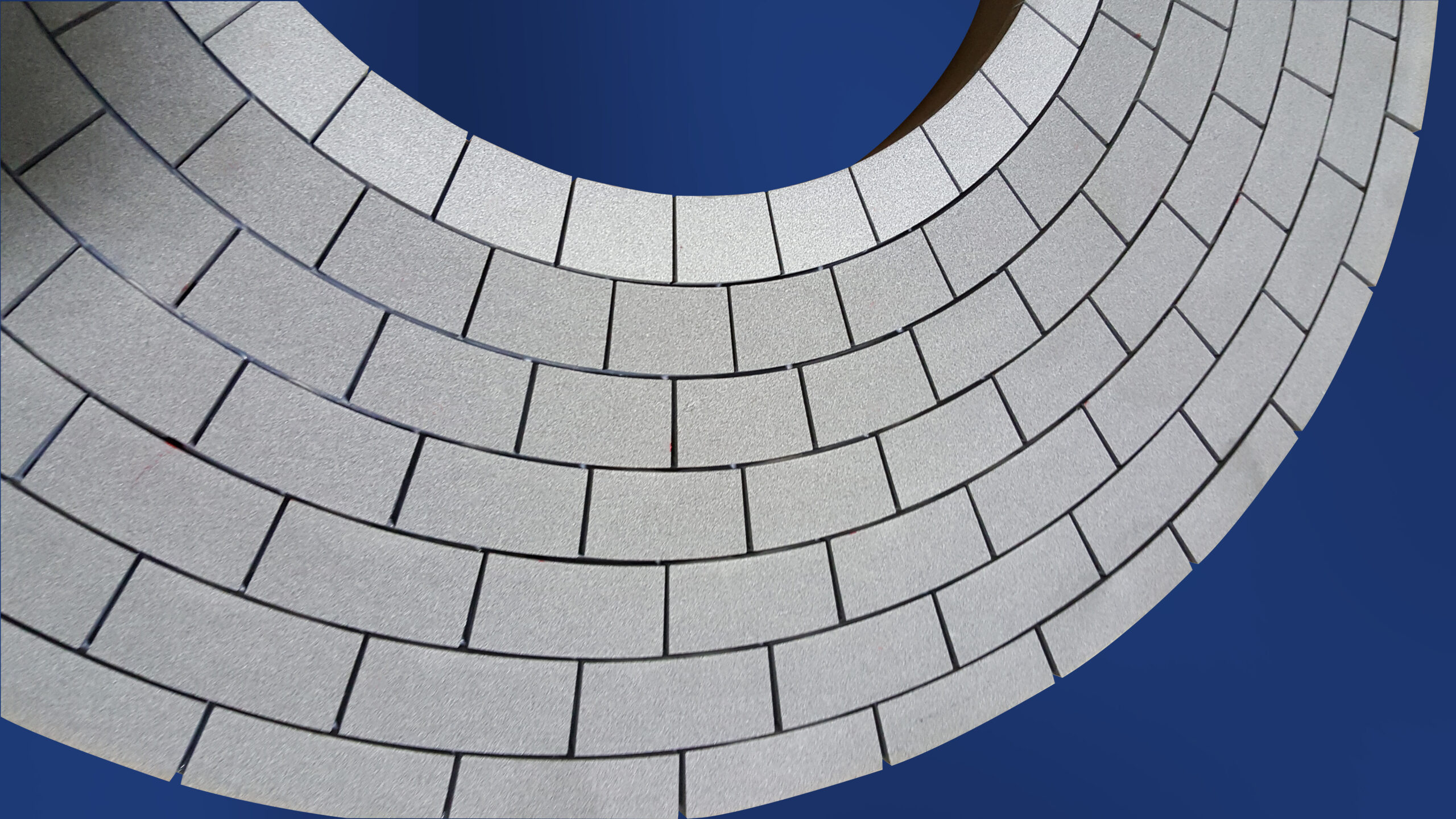
We manufacture double disc wheels in vitrified, resin and Maximizer bond systems in diamond and CBN, supplied as matched sets so both faces wear and cut alike. Segment design and bond are chosen against your feed rate and the flatness you need to hold.
Troubleshooting Double Disc Grinding.
When a process is not delivering the life, finish or cycle time it should, these are the areas our applications engineers work through with your team.
Thickness varying part to part
Parts not parallel across the face
Burn or heat marking on the faces
Poor finish on one face only
What we will ask you.
These details let us recommend a specification rather than estimate one.
Grinding Basics training.
SuperAbrasives provides grinding training for customer engineering, quality and production teams, delivered on site at your facility or at our Wixom plant. Sessions are built around your processes and the parts your team runs day to day.
The curriculum is drawn from our Grinding Basics reference, which covers cylindrical, centerless, internal and surface grinding across 147 pages, including the calculations behind traverse rate, part speed, Q-prime, coolant delivery and dressing overlap. Our applications engineers work through these methods with your team and apply them directly to your applications.