Two processes that look alike.
Surface grinding covers a wide family of machines: horizontal and vertical spindle, reciprocating table and rotary table, single wheel and multiple wheel. What they share is a flat or formed surface produced by the periphery or the face of the wheel.
The important distinction is between conventional pendulum grinding and creep-feed. Pendulum grinding takes a small depth of cut and traverses fast, passing over the part many times. Creep-feed takes a large depth of cut and traverses slowly, often removing the whole stock allowance in one or two passes.
The two can remove the same volume of material per minute while behaving completely differently in the cut. Creep-feed puts far more of the wheel in contact at once, which changes everything about coolant, power and wheel specification.
At a glance
Pendulum and creep-feed.
Conventional pendulum
A small depth of cut with a fast traverse, passing over the surface repeatedly until size is reached. Contact length stays short, so power draw and heat into the part per pass stay low.
Best for finishing, for lighter machines, and where stock is limited.
Creep-feed
A large depth of cut with a slow traverse, often taking full stock in one pass. Contact length is long, which demands substantial spindle power and coolant delivered into the arc of contact.
Best for deep forms, slots and profiles, and for difficult materials in volume.
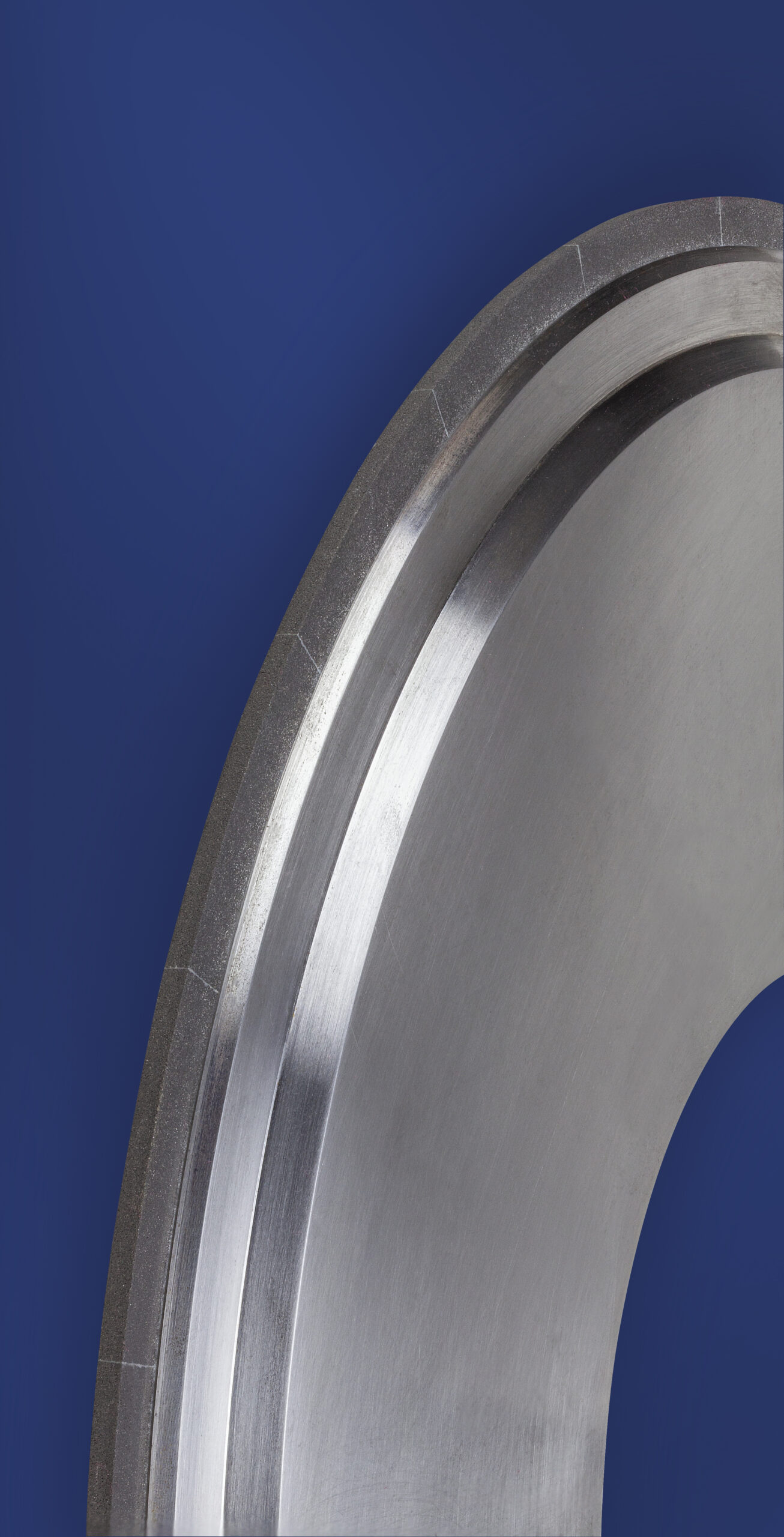
Specified for the way you cut.
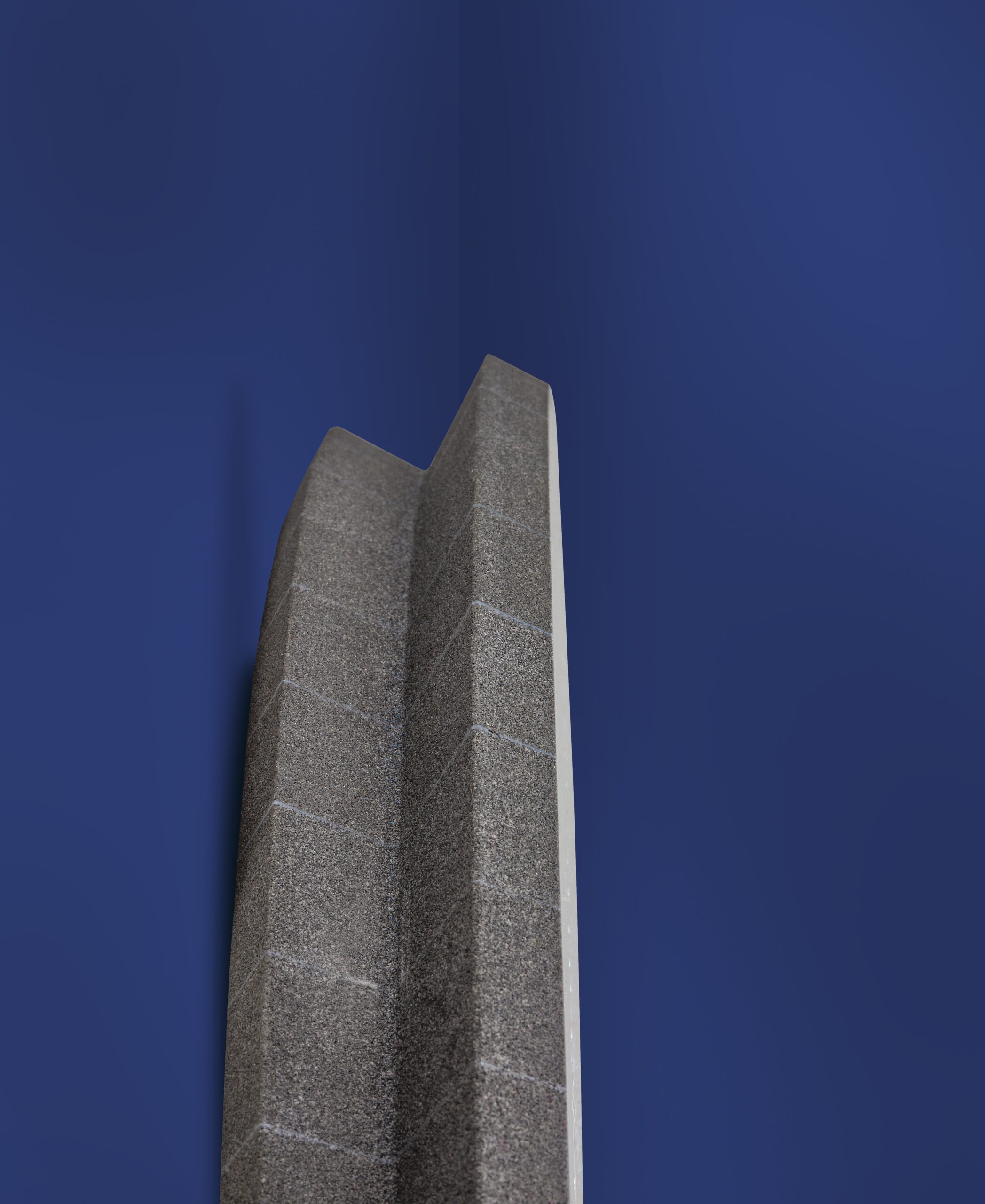
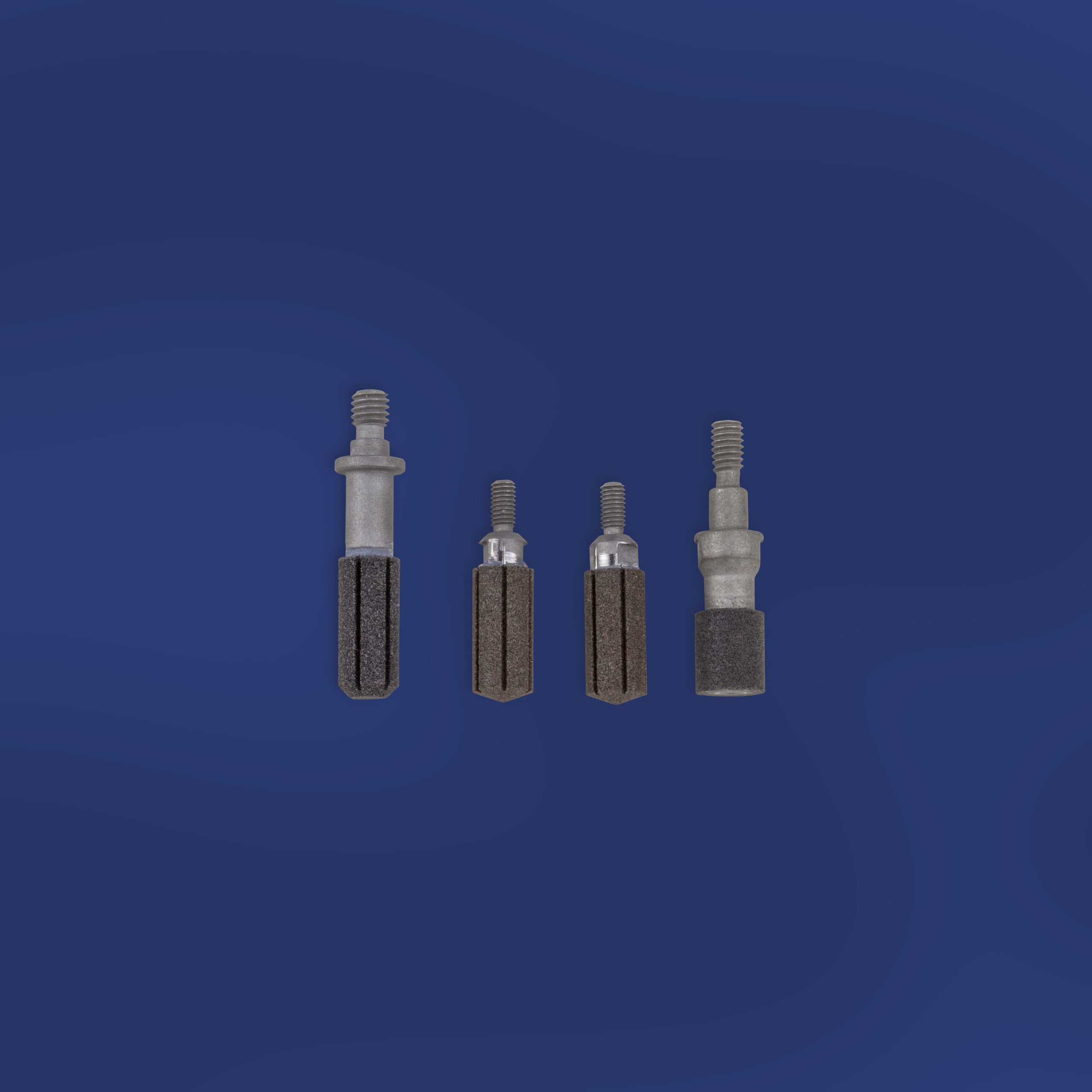
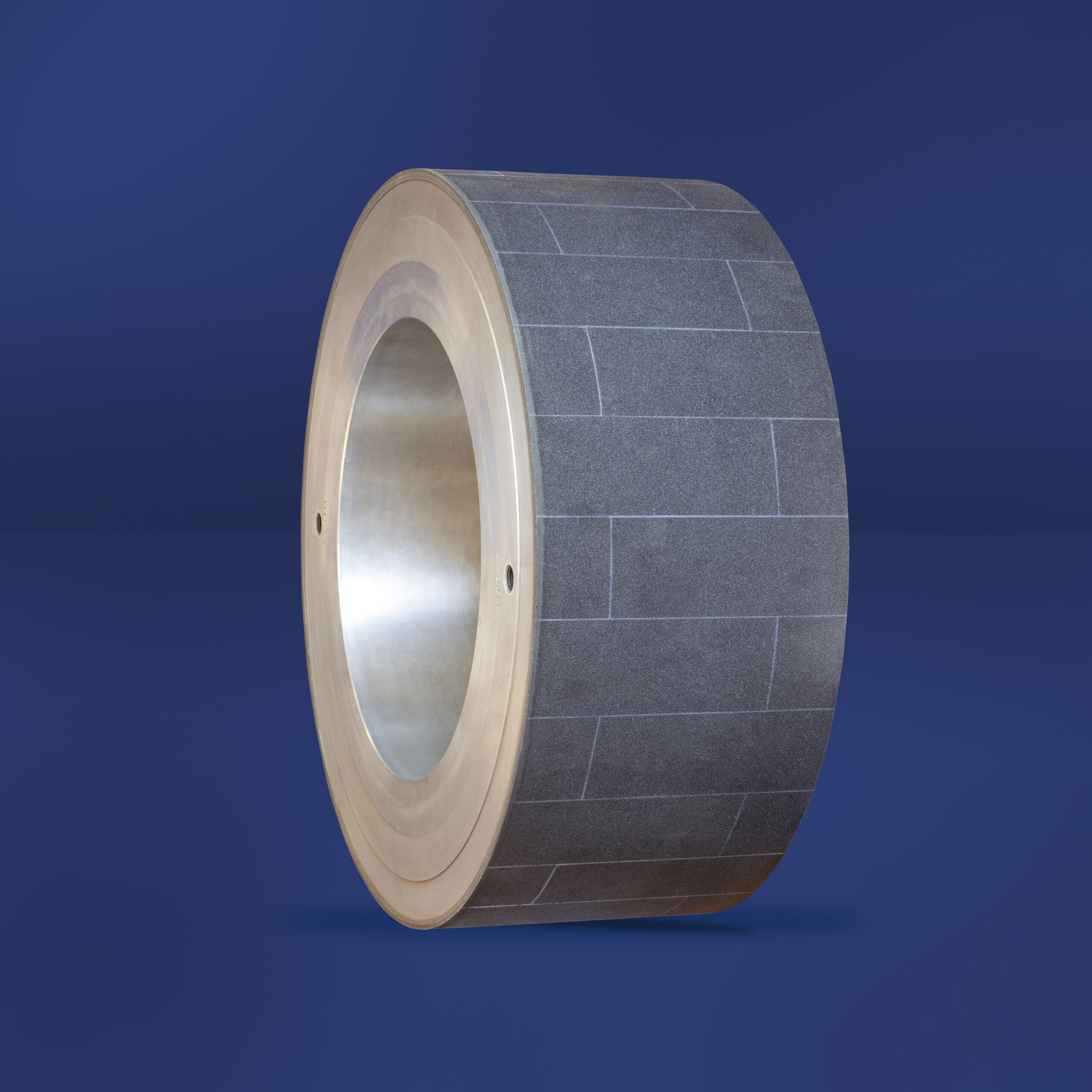
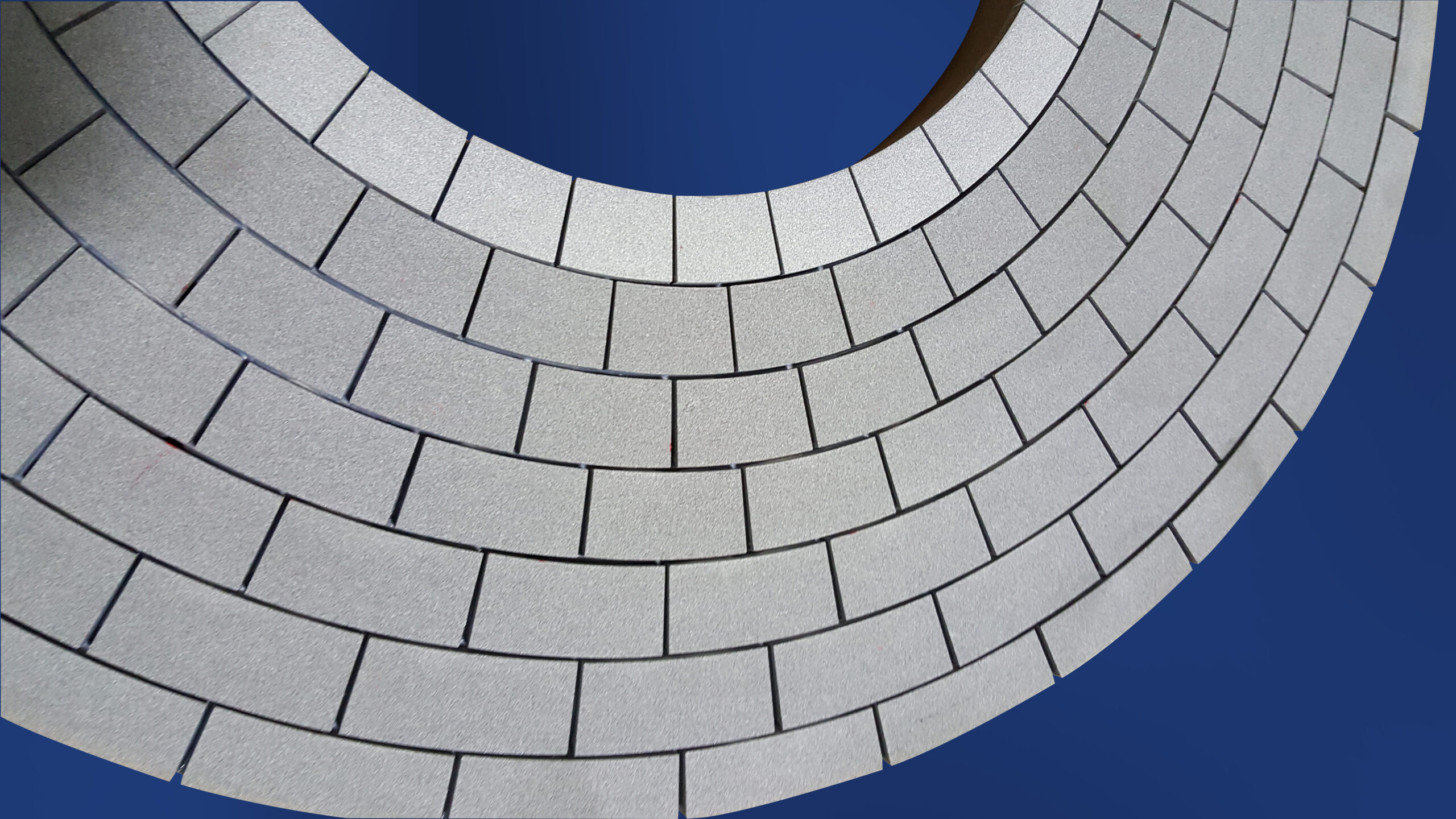
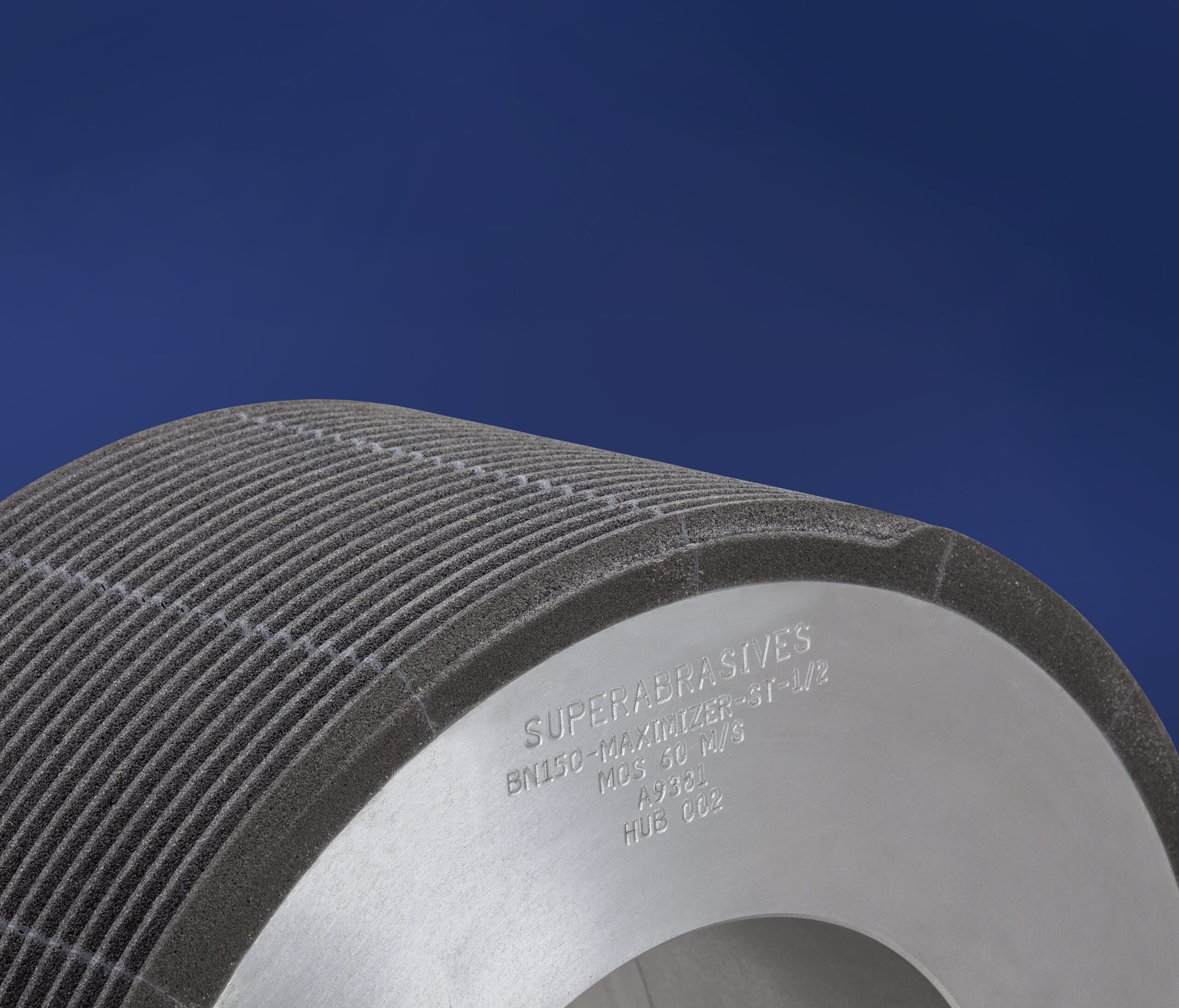
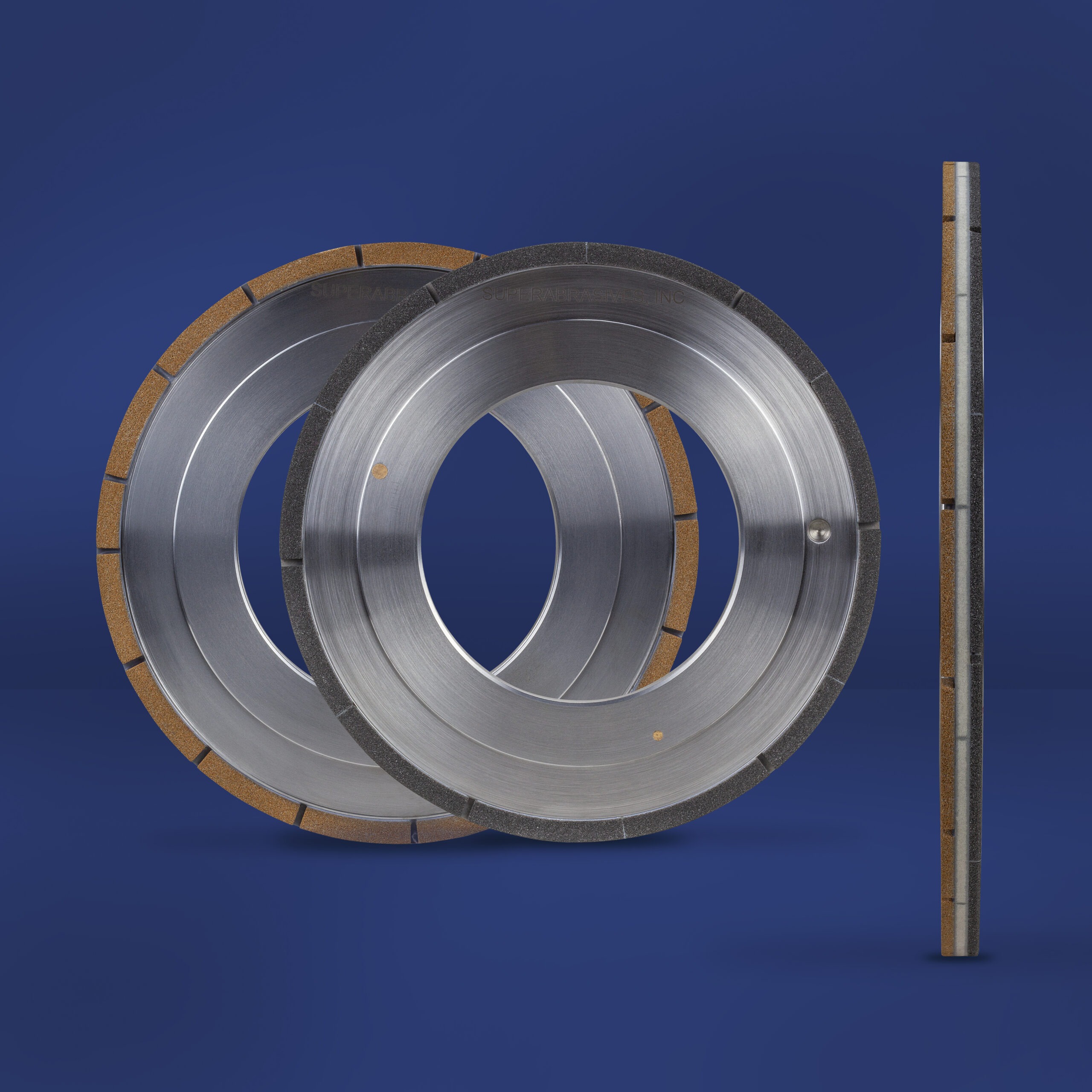
We manufacture surface and creep-feed wheels in vitrified, resin and Maximizer bond systems in diamond and CBN. Creep-feed in particular is unforgiving of a wheel that is specified like a pendulum wheel, so structure and bond are chosen against your depth of cut and traverse rate.
Troubleshooting Surface Grinding.
When a process is not delivering the life, finish or cycle time it should, these are the areas our applications engineers work through with your team.
Burn lines across the surface
Wheel breaking down too fast in creep-feed
Form loss on a profiled wheel
Chatter or wave pattern on the surface
What we will ask you.
These details let us recommend a specification rather than estimate one.
Grinding Basics training.
SuperAbrasives provides grinding training for customer engineering, quality and production teams, delivered on site at your facility or at our Wixom plant. Sessions are built around your processes and the parts your team runs day to day.
The curriculum is drawn from our Grinding Basics reference, which covers cylindrical, centerless, internal and surface grinding across 147 pages, including the calculations behind traverse rate, part speed, Q-prime, coolant delivery and dressing overlap. Our applications engineers work through these methods with your team and apply them directly to your applications.