Small wheels, hard conditions.
Internal grinding is the most demanding of the cylindrical processes because everything works against you. The wheel is small, so it must turn very fast to reach a useful surface speed. The quill is long and slender, so it deflects. And the coolant has to reach an arc of contact that sits inside a bore with nowhere for chips to escape.
Wheel diameter is usually somewhere around two thirds to three quarters of the bore, which sets the spindle speed you need. As the wheel wears down, its surface speed falls unless the spindle compensates, so ID processes drift in a way OD processes do not.
Because contact area is large relative to the wheel, loading happens quickly. Most ID problems we are called in on come back to coolant delivery or a wheel that has stopped cutting rather than to the abrasive itself.
At a glance
Built small, built to cut.
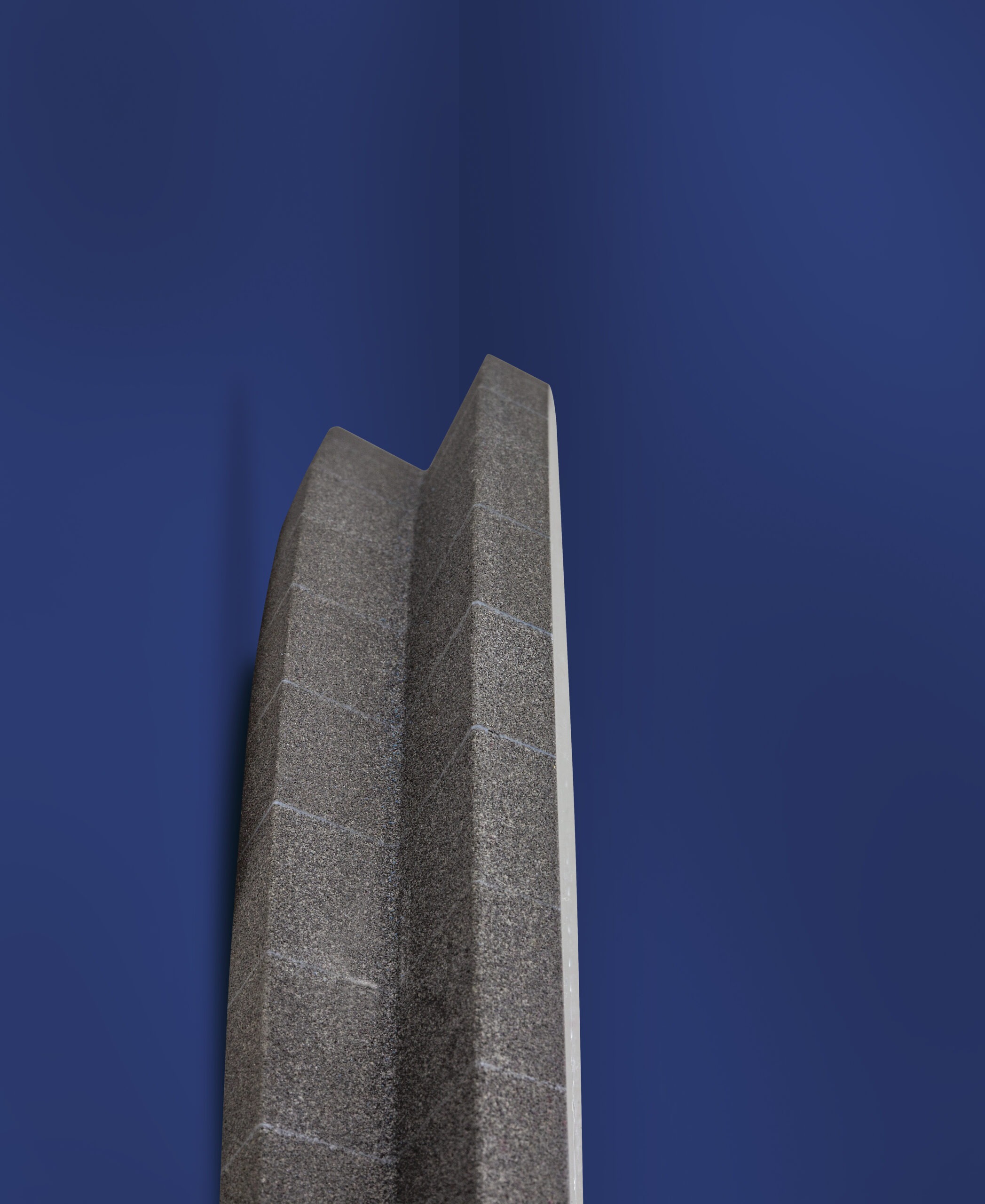
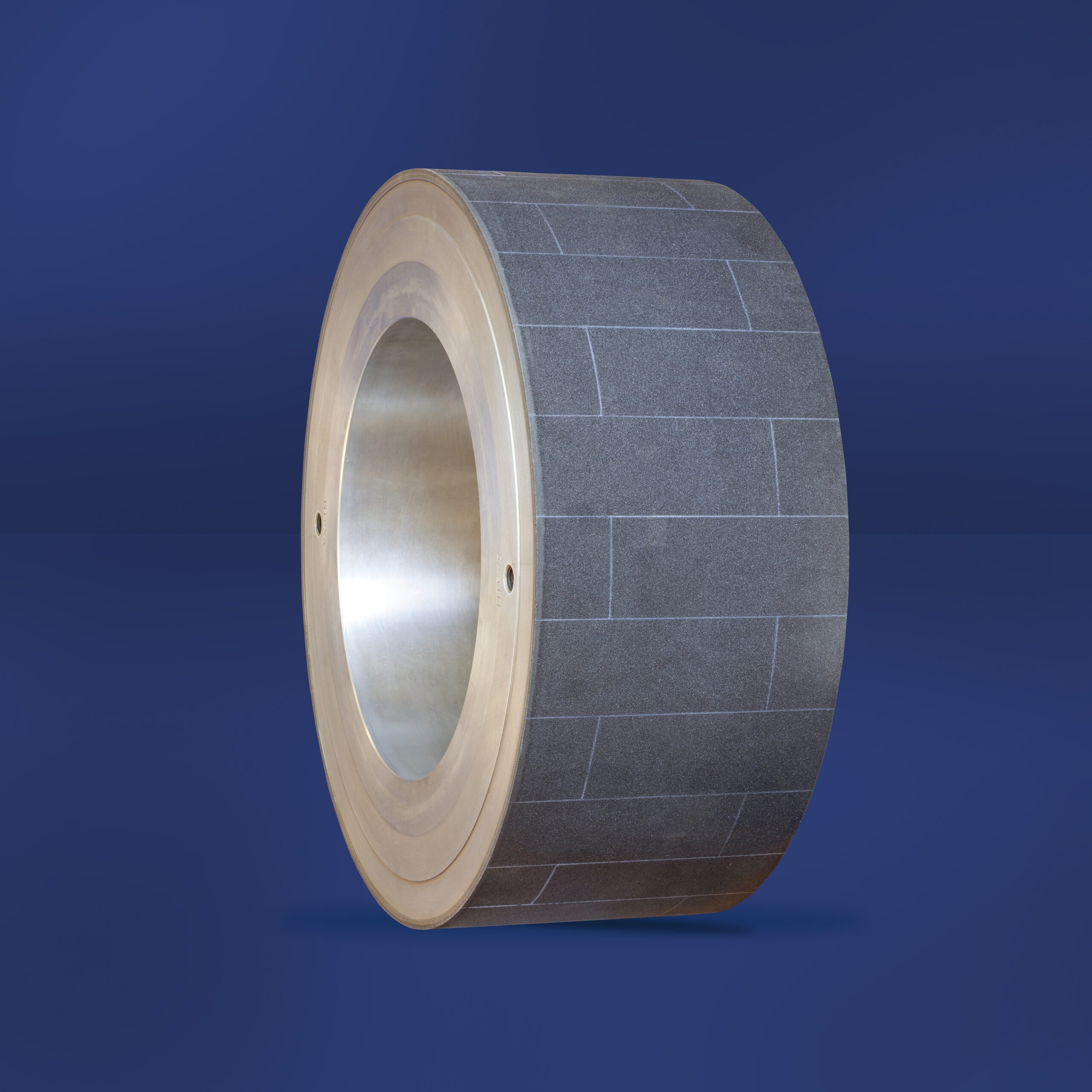
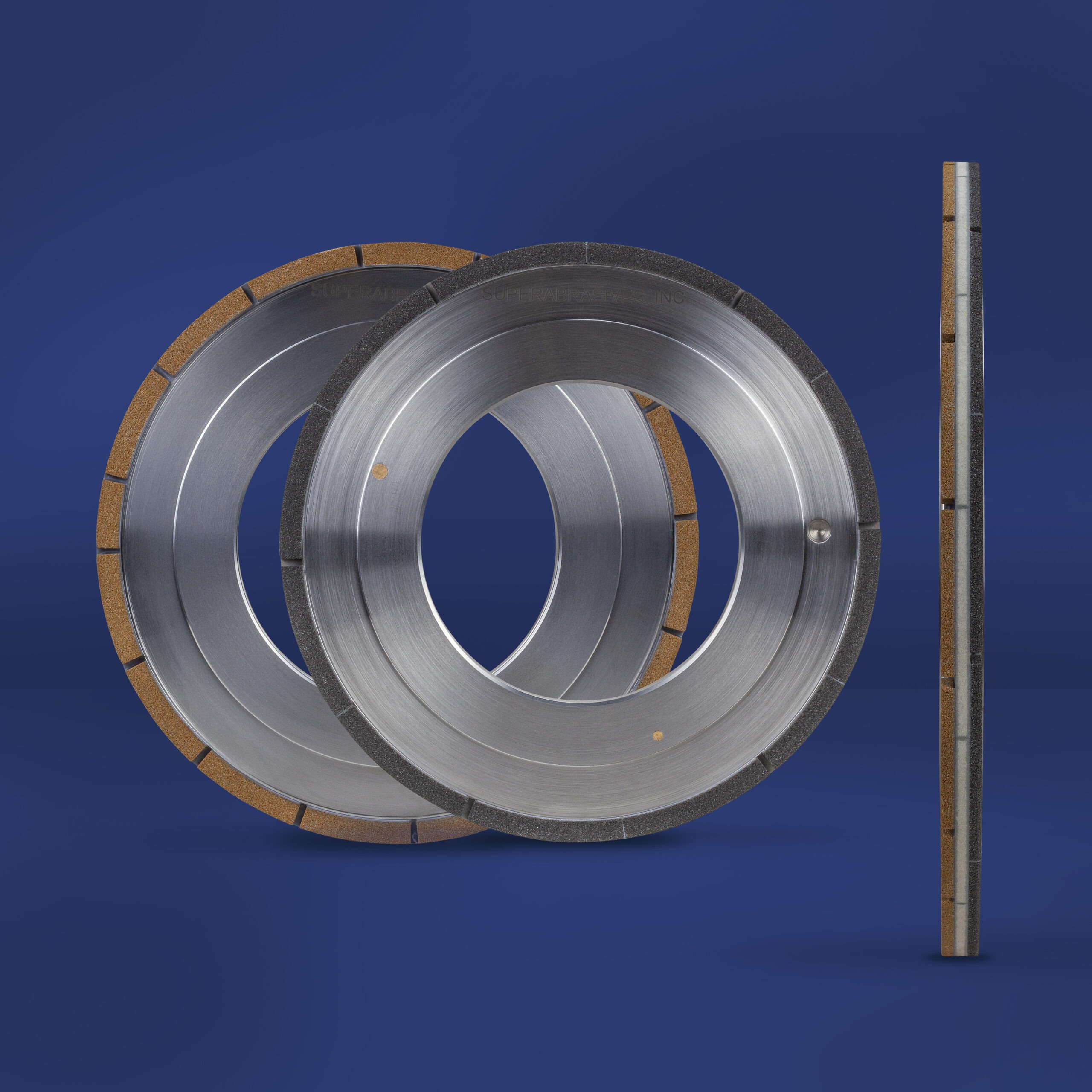
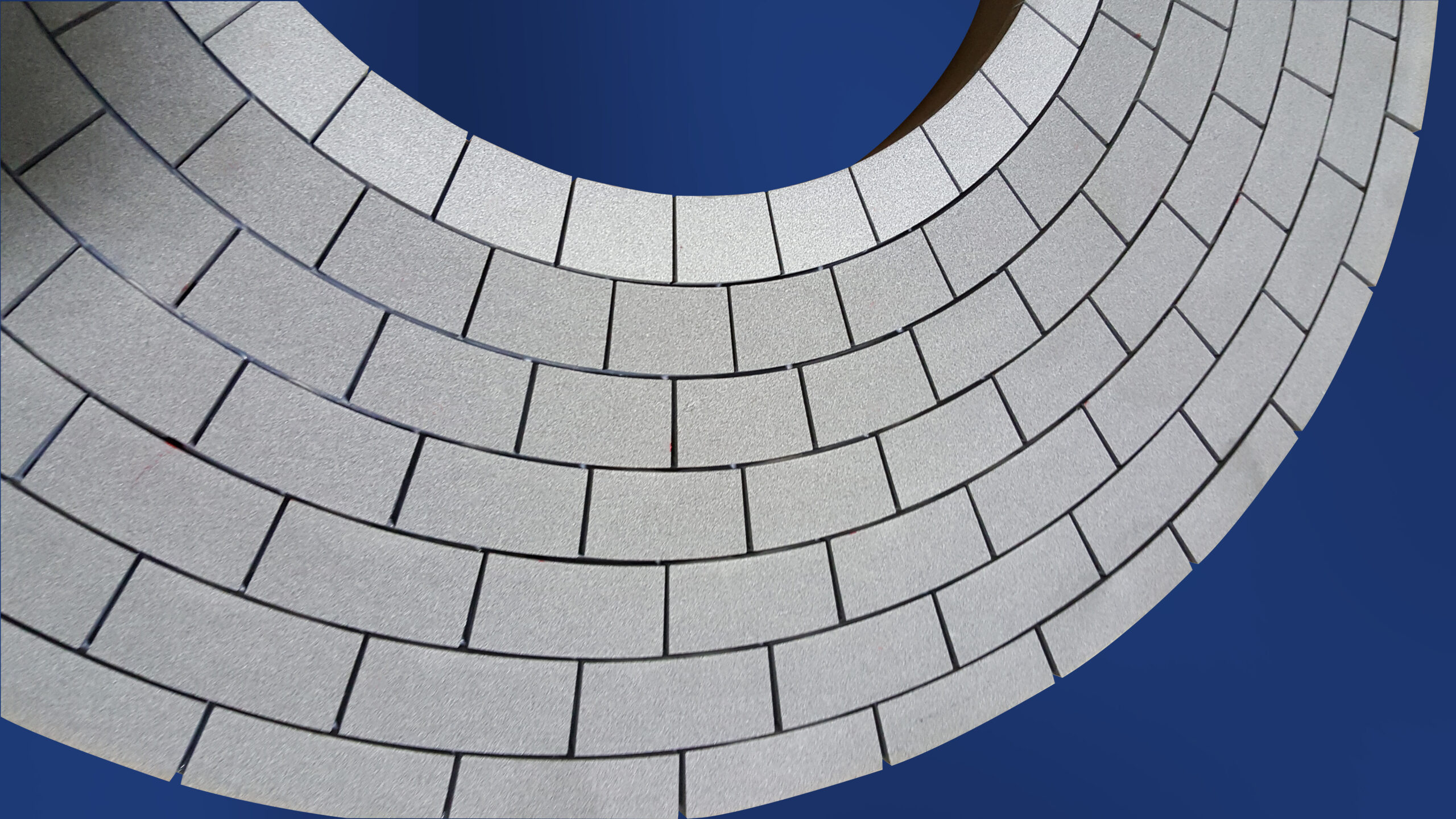
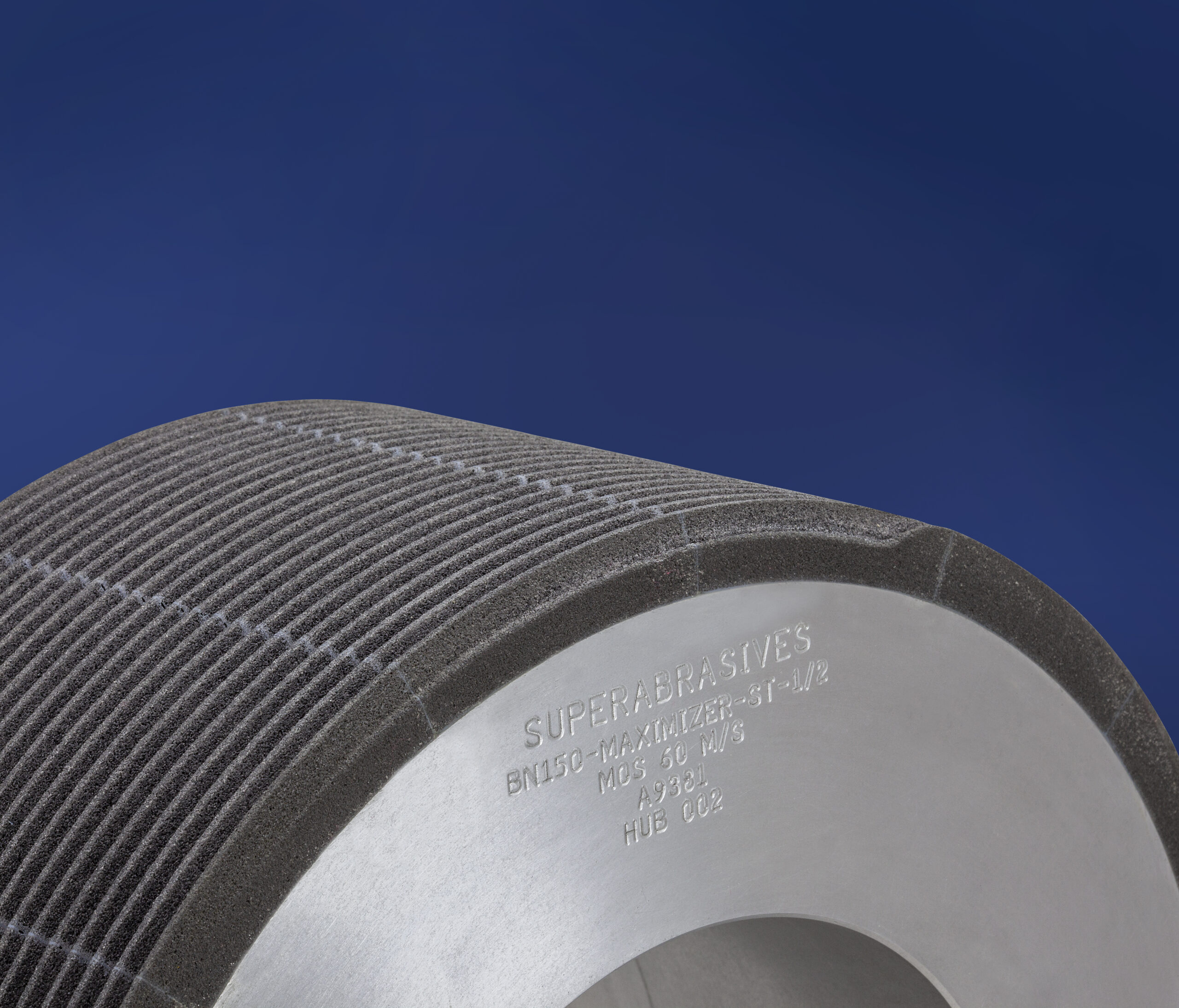
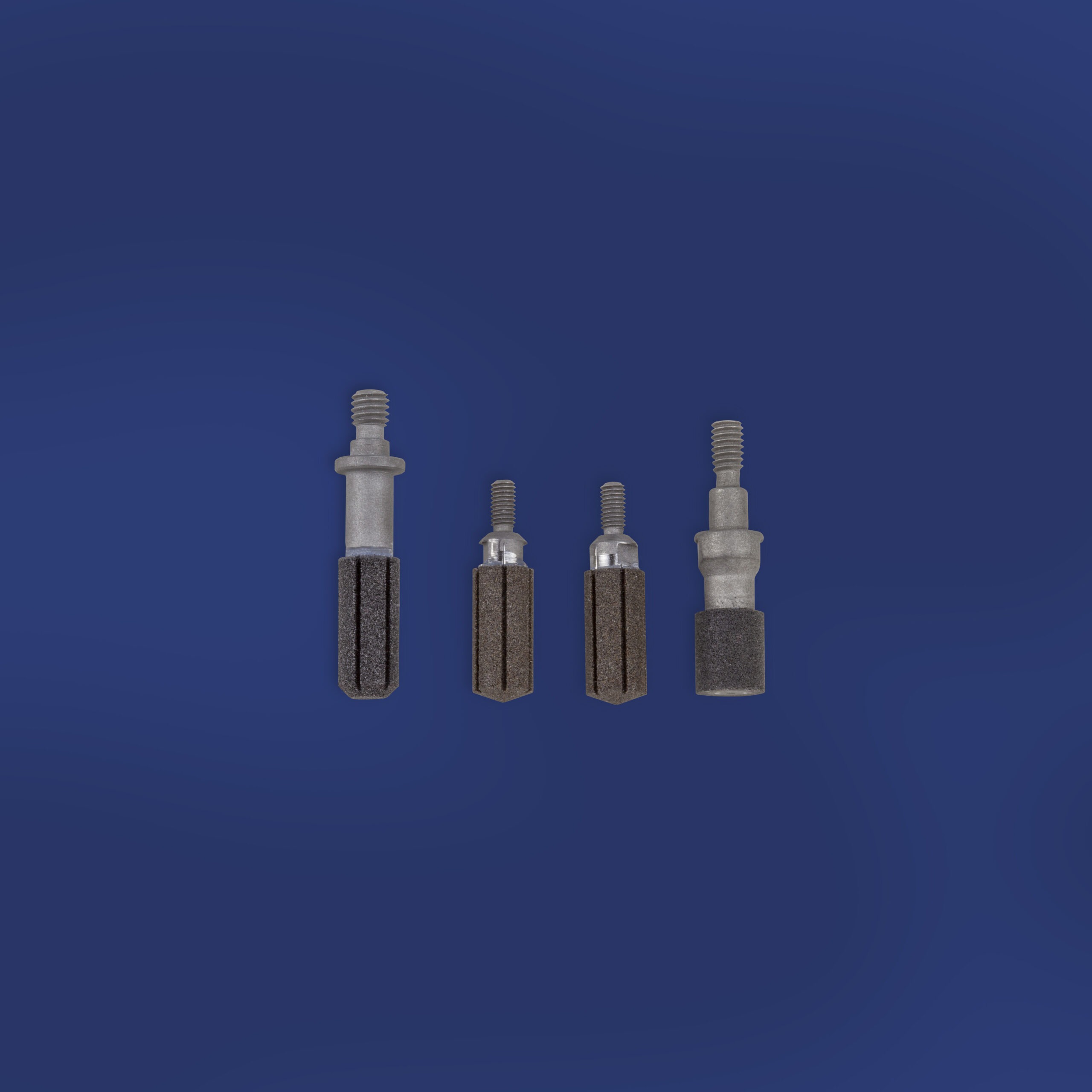
We manufacture internal grinding wheels in vitrified, resin and Maximizer bond systems in diamond and CBN, mounted on steel or carbide quills to suit your spindle. Specification is driven by bore size, material and how much coolant you can actually get to the cut.
Troubleshooting ID Grinding.
When a process is not delivering the life, finish or cycle time it should, these are the areas our applications engineers work through with your team.
Poor or inconsistent surface finish
Bellmouth or taper in the bore
Chatter inside the bore
Burn at the bottom of a blind bore
What we will ask you.
These details let us recommend a specification rather than estimate one.
Grinding Basics training.
SuperAbrasives provides grinding training for customer engineering, quality and production teams, delivered on site at your facility or at our Wixom plant. Sessions are built around your processes and the parts your team runs day to day.
The curriculum is drawn from our Grinding Basics reference, which covers cylindrical, centerless, internal and surface grinding across 147 pages, including the calculations behind traverse rate, part speed, Q-prime, coolant delivery and dressing overlap. Our applications engineers work through these methods with your team and apply them directly to your applications.