Precision on the outside diameter.
In cylindrical OD grinding the part is rotated about its axis while the wheel removes stock from the outside diameter. How the part is held varies with the job: between centers, in a chuck, or on a steady rest when the part is long enough to flex away from the wheel under grinding pressure. Clean, true center holes and a correctly set steady rest give the wheel a part that runs true, which is the foundation everything else is built on.
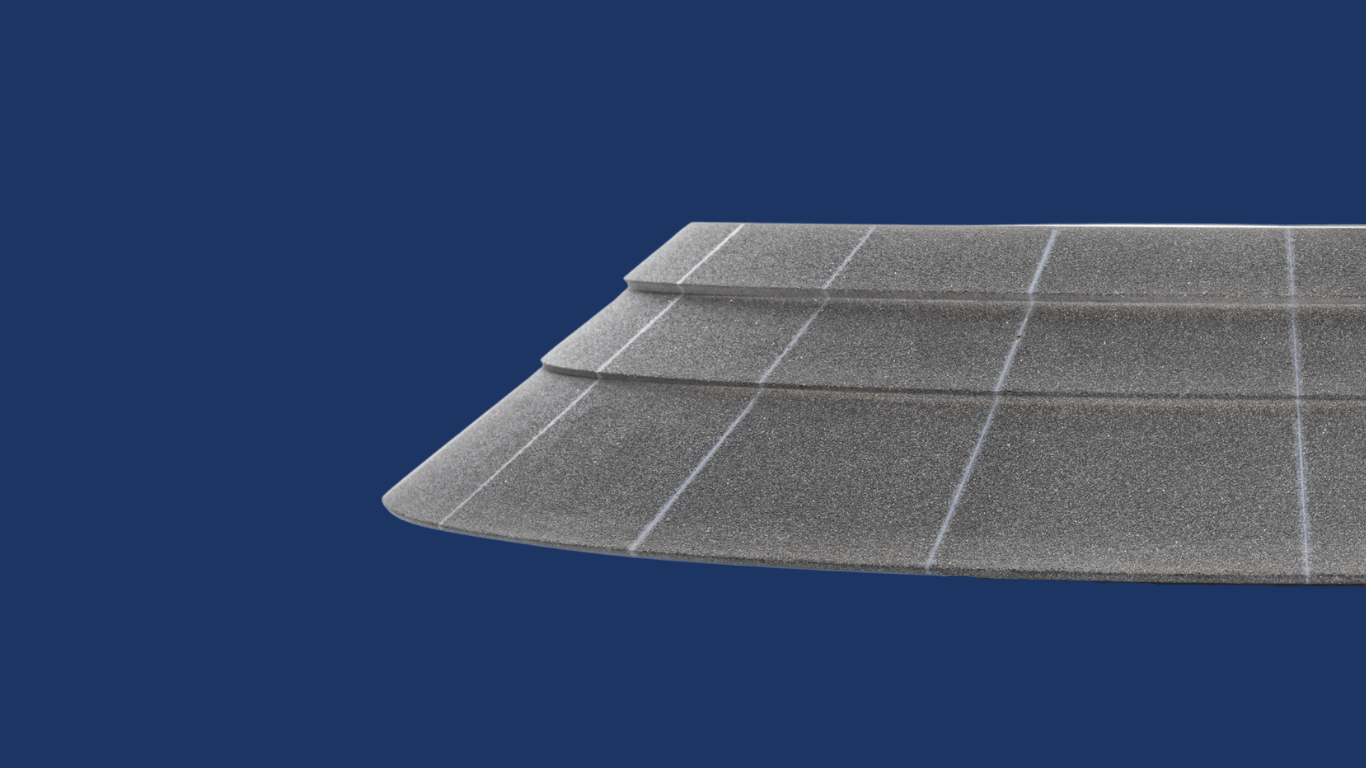
The process covers several distinct methods. Plunge grinding feeds the wheel radially and transfers the wheel form to the part. Traverse grinding moves the part or wheel along the axis to cover a length greater than the wheel width. Angle head grinding tilts the wheel to reach a shoulder and diameter in one pass, and peel grinding uses a narrow wheel at high speed to remove stock in a continuous helical path.
Wheel to work speed ratio governs how the abrasive engages the part. Get it wrong and you either burn the part or wear the wheel far faster than the job requires.
At a glance
Methods we supply wheels for.
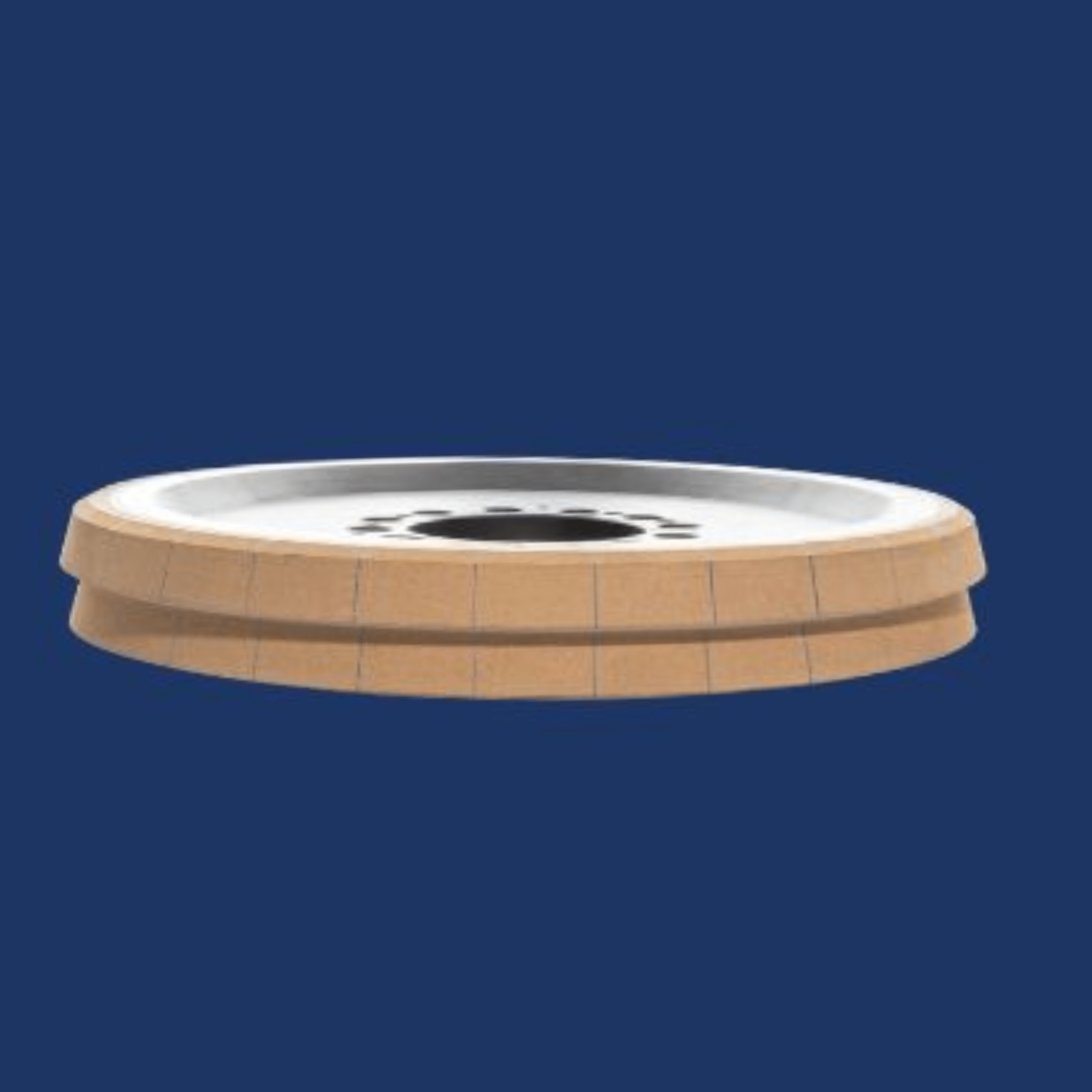 Angle head wheel, ground diameter and shoulder in one plunge
Plunge and face
The wheel feeds radially into the part with no axial movement, so the dressed form on the wheel is reproduced directly on the part. Face grinding adds a shoulder in the same operation.
Best where form accuracy matters and the feature is narrower than the wheel.
Traverse
The part traverses past a narrower wheel to grind a length greater than the wheel width, typically finishing with a spark-out pass.
Best for long, plain diameters and where wheel cost matters.
Angle head
The wheel head is set at an angle so diameter and shoulder are ground together in a single plunge, reducing handling and holding the relationship between the two features.
Best where a shoulder and diameter must be square and concentric.
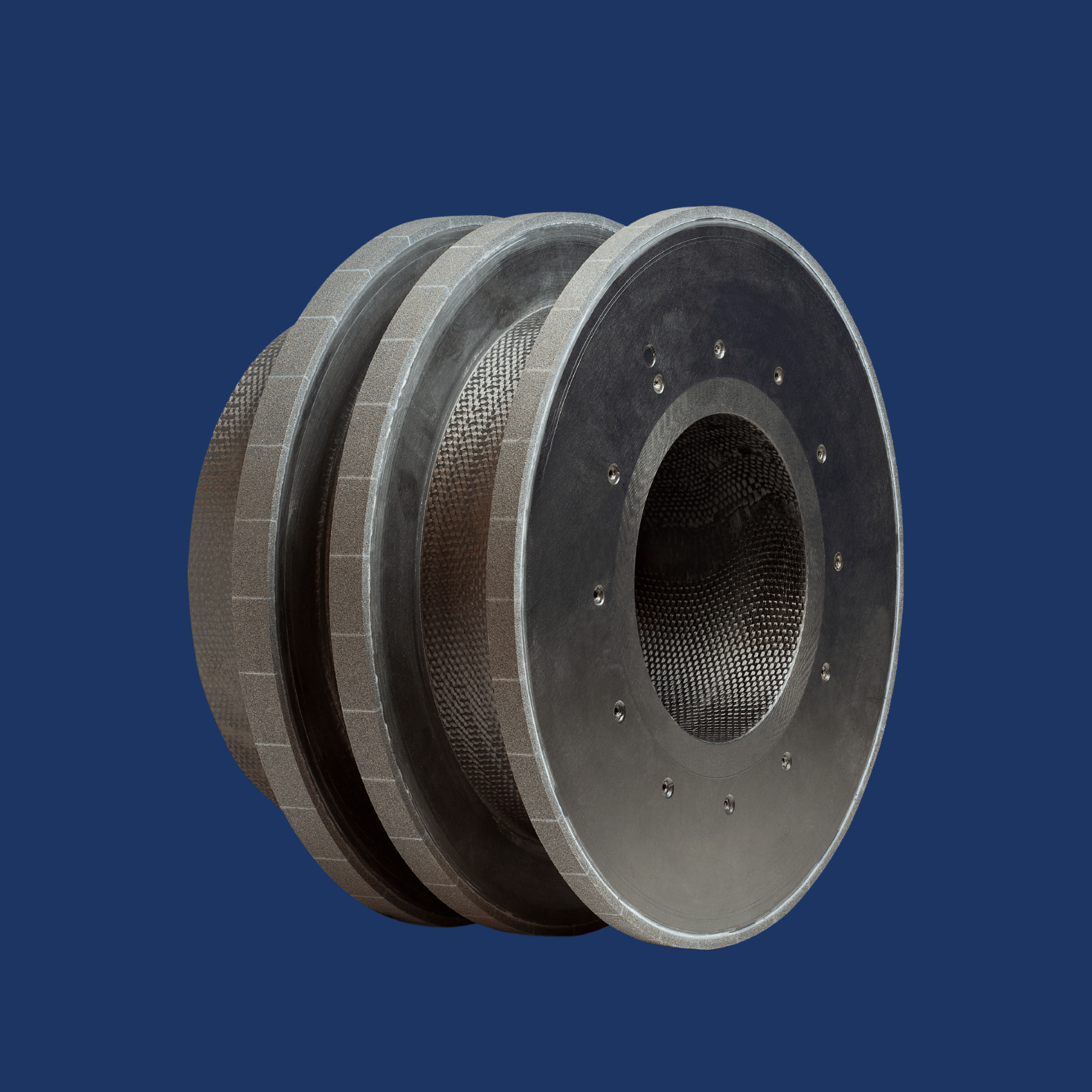
Wheels for the parts you run.
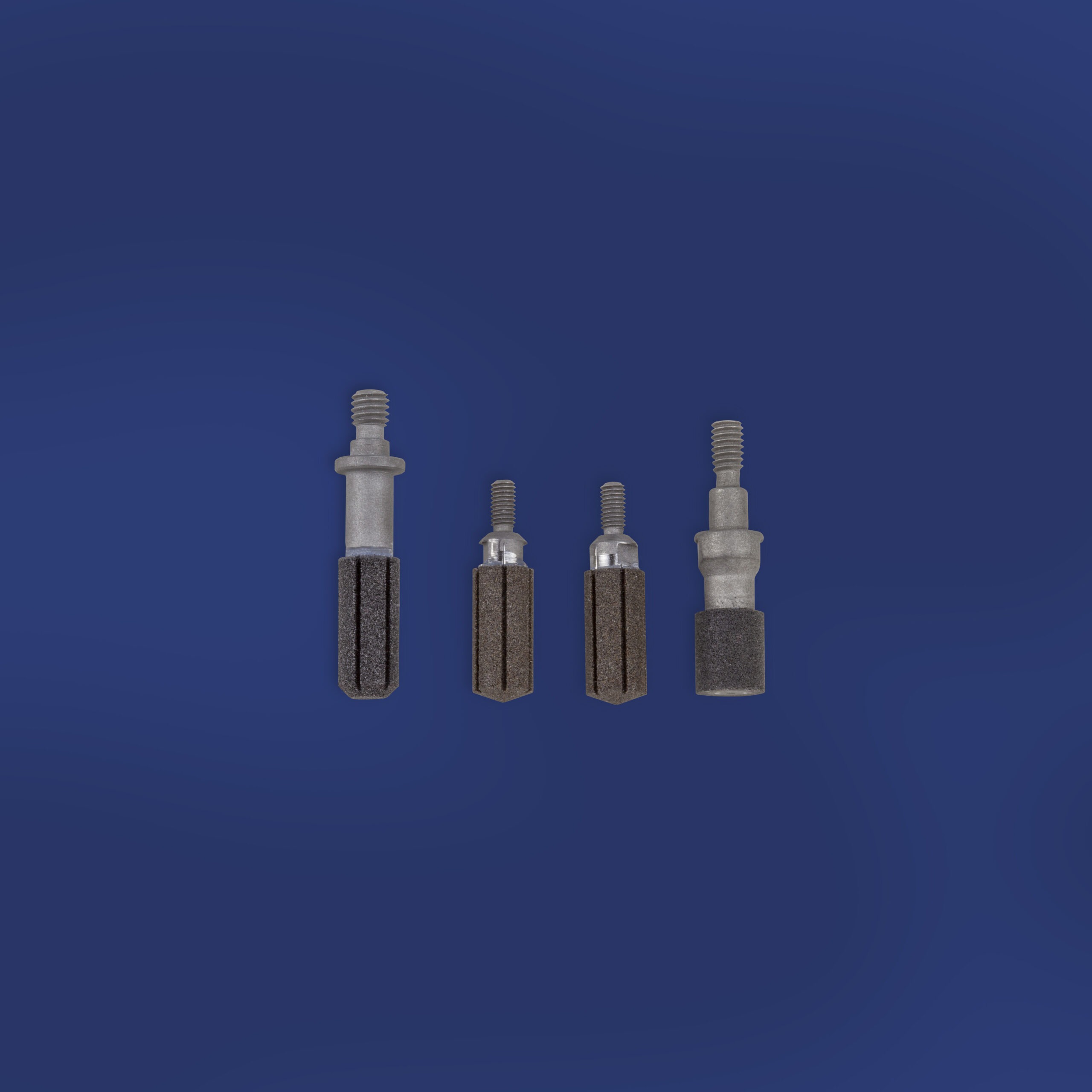
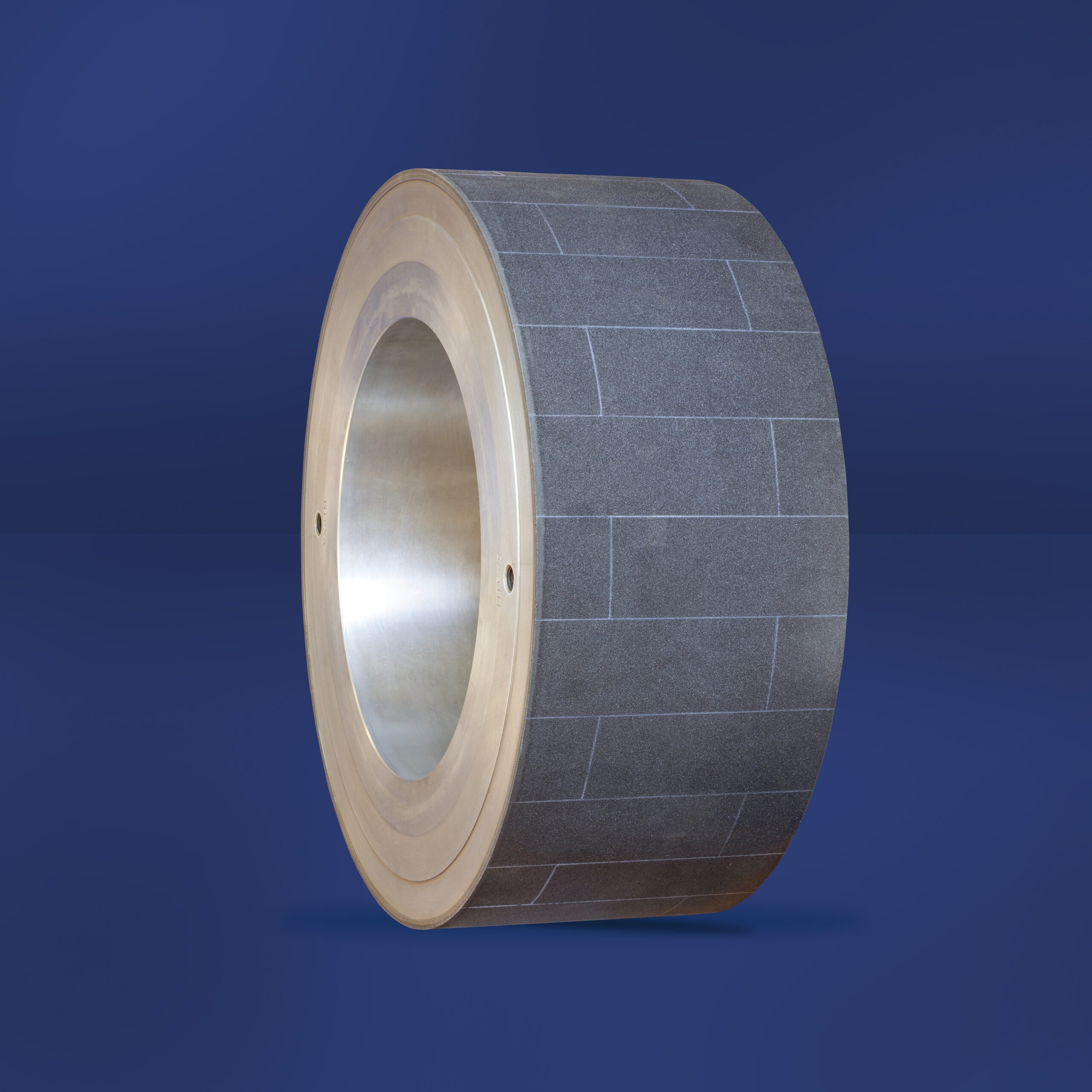
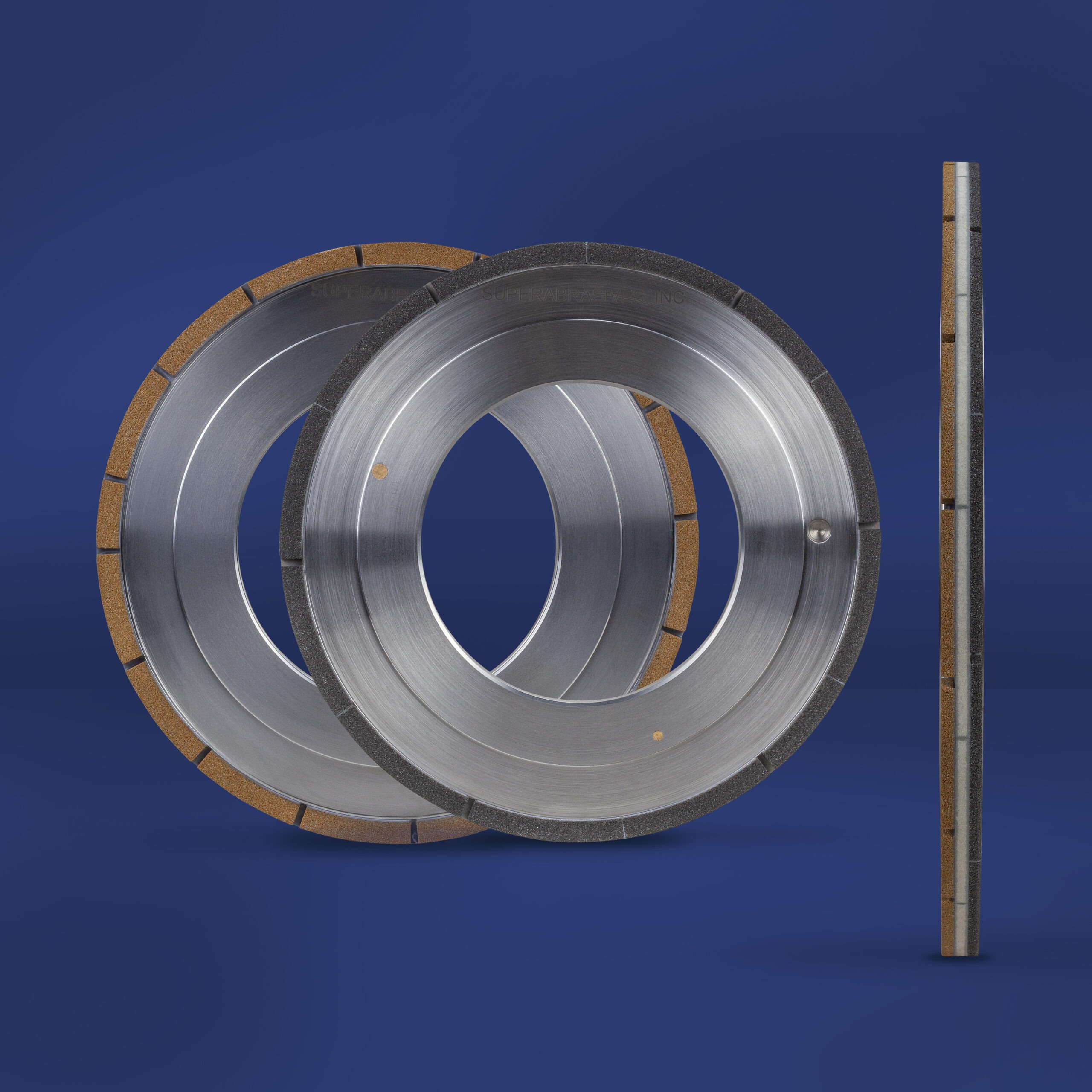
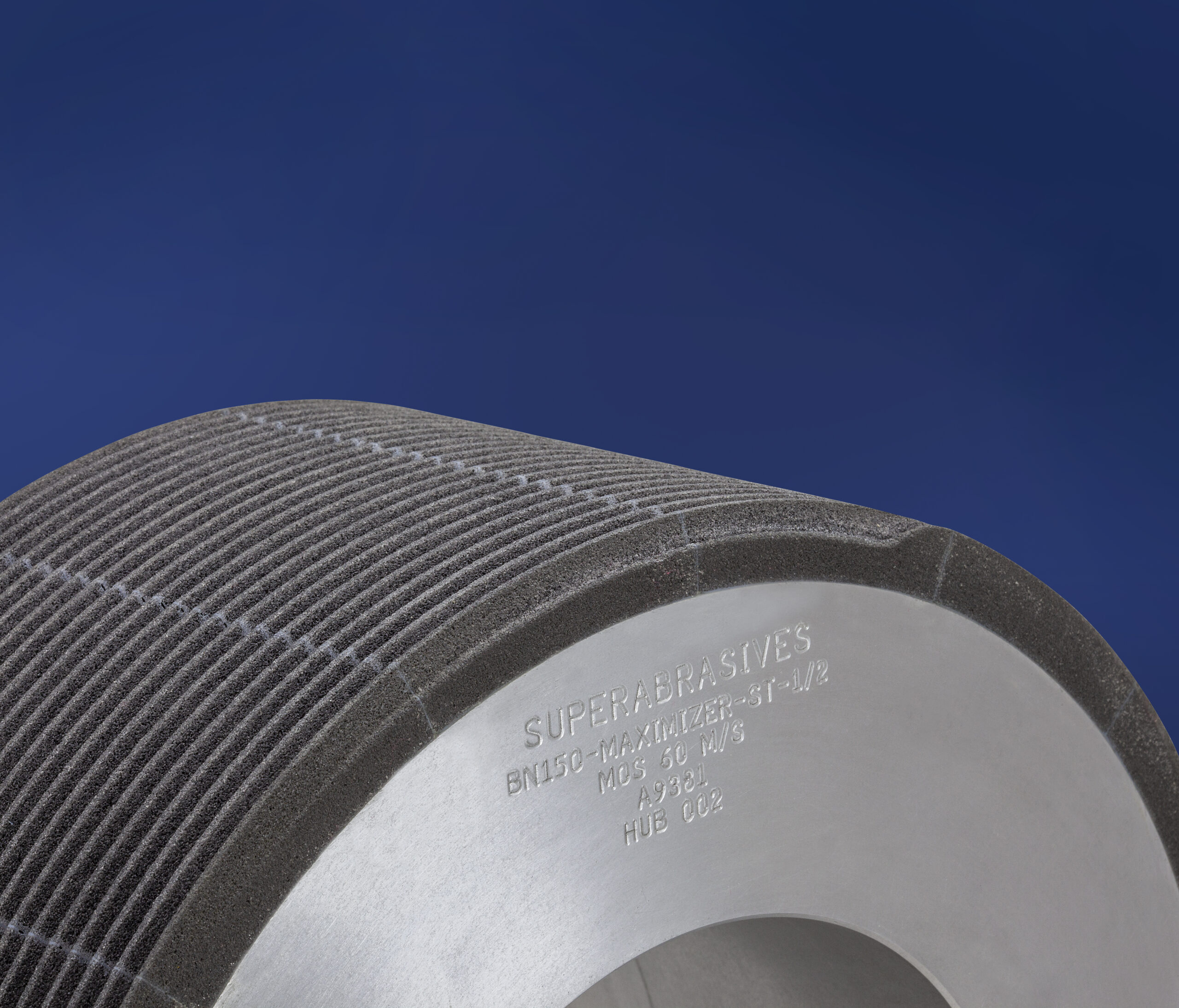
We manufacture cylindrical OD wheels in vitrified, resin and Maximizer bond systems in diamond and CBN, including cam and crank forms and angle head wheels. Bond hardness and structure are selected against your removal rate, dress interval and finish requirement.
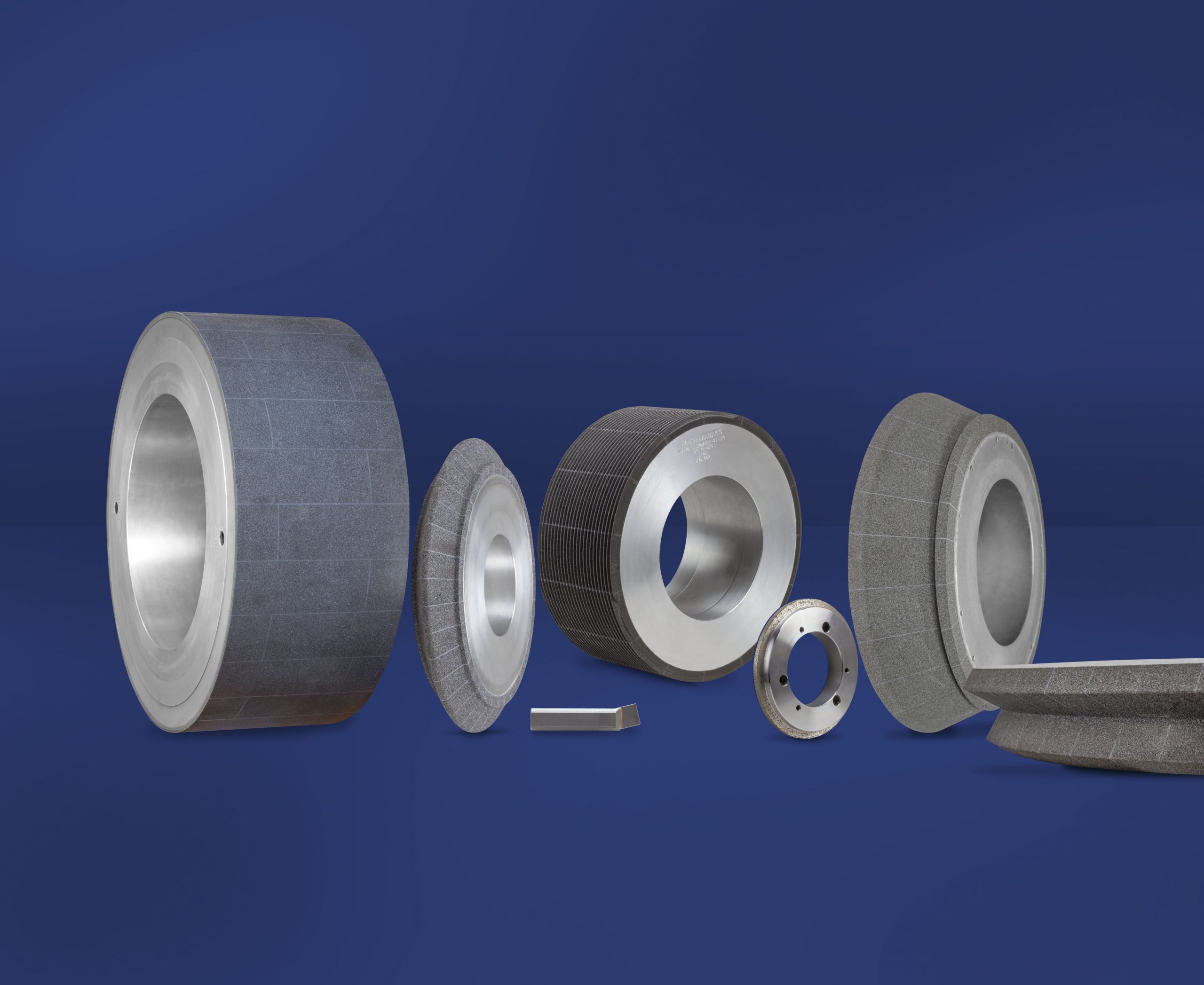
Vitrified, resin and Maximizer.
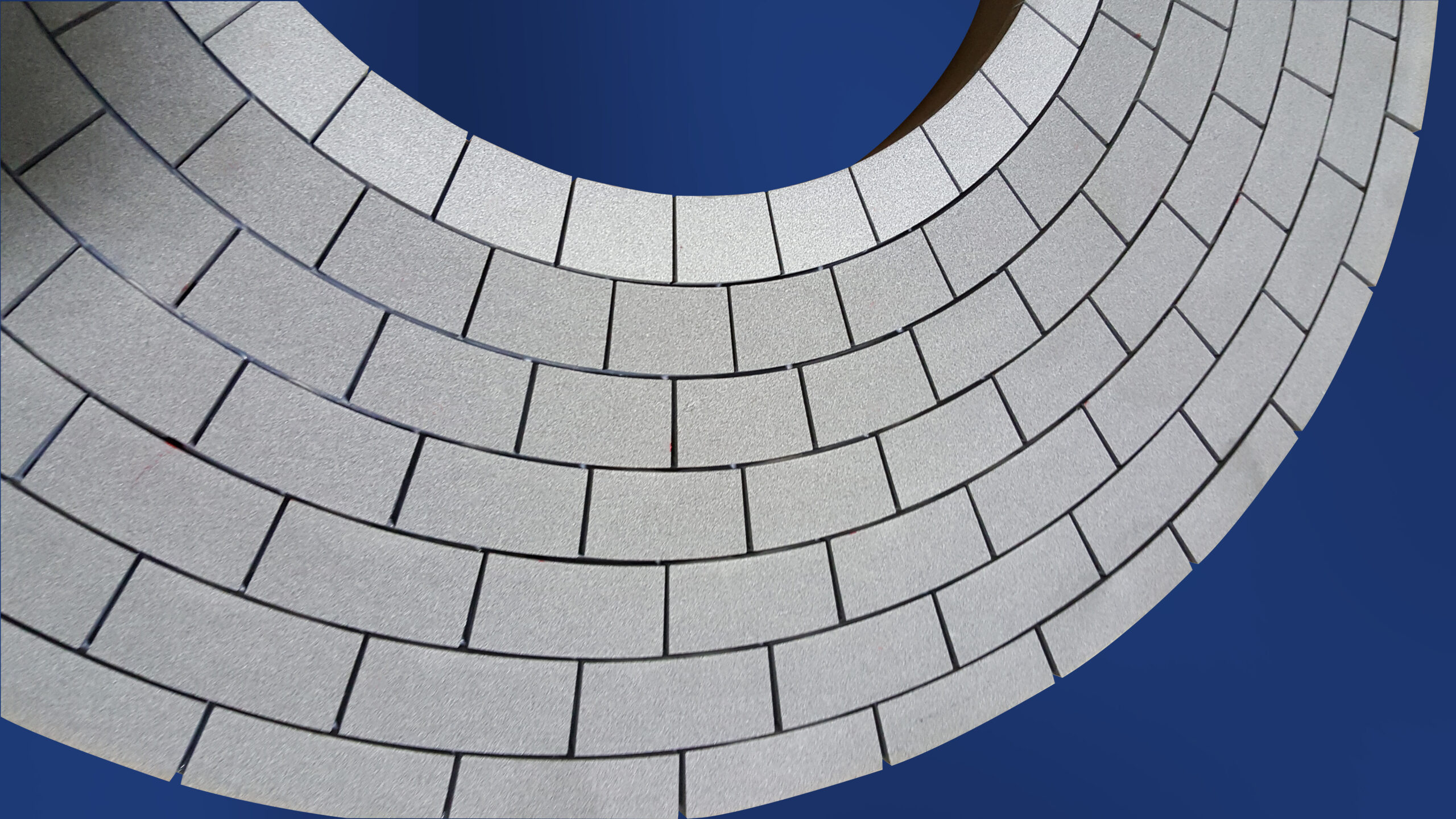
Most production cylindrical work runs in vitrified CBN, where the bond can be dressed to form and held through long runs. Resin suits finishing and lighter machines, and our Maximizer line is built for rotary and single point dressing applications where dress frequency drives cost.
Troubleshooting OD Grinding.
When a process is not delivering the life, finish or cycle time it should, these are the areas our applications engineers work through with your team.
Achieving a round, chatter-free diameter
Holding size along the full length
Keeping heat out of the part
Getting more parts between dresses
What we will ask you.
These details let us recommend a specification rather than estimate one.
Grinding Basics training.
SuperAbrasives provides grinding training for customer engineering, quality and production teams, delivered on site at your facility or at our Wixom plant. Sessions are built around your processes and the parts your team runs day to day.
The curriculum is drawn from our Grinding Basics reference, which covers cylindrical, centerless, internal and surface grinding across 147 pages, including the calculations behind traverse rate, part speed, Q-prime, coolant delivery and dressing overlap. Our applications engineers work through these methods with your team and apply them directly to your applications.